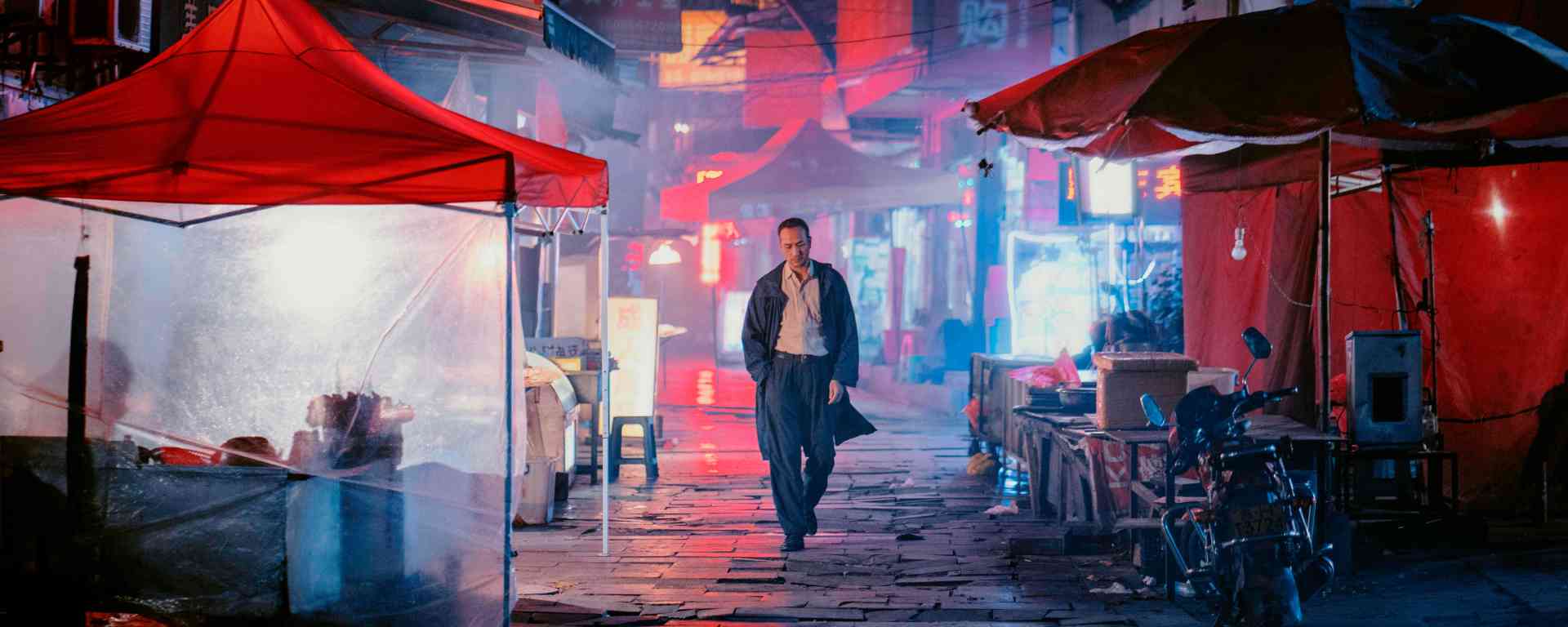
Some movies are better left misunderstood. A Long Day’s Journey Into Night might be one of those movies. Sure, if you wanted to, you could noodle out the plot, the main characters’ desires, and what it all means. Or, you can surrender yourself to the story, sitting in aesthetic arrest for the movie’s 138-minute runtime as the images wash over you. For some, the whole experience will be like water off a duck’s back. For others, those dark and moody images will echo in the soul for years to come.
Written and directed by 29-year-old Chinese wunderkind Bi Gan, Long Day’s Journey Into Night is a ghost story of sorts, a noir-soaked dream, and an ungraspable memory all rolled into one. The story centers on Luo Hongwu (Huang Jue), a man who has returned to his hometown of Kaili City in the Guizhou province. Everything here is weathered and worn. The paint has chipped off phones and walls, the upholstery cracked, and the roof is so leaky it serves no purpose in a rainstorm.
What brings Luo home is a death, a death that triggers memories of another death. In the middle of this, Luo’s thoughts wander to a woman, Wan Qiwen (Tang Wei), a past love Luo was never able to shake. He searches for her, wandering the streets looking for a figment of his imagination. He goes to the movies, slides on his 3D glasses, and…
The movie’s title comes up, one-hour in.
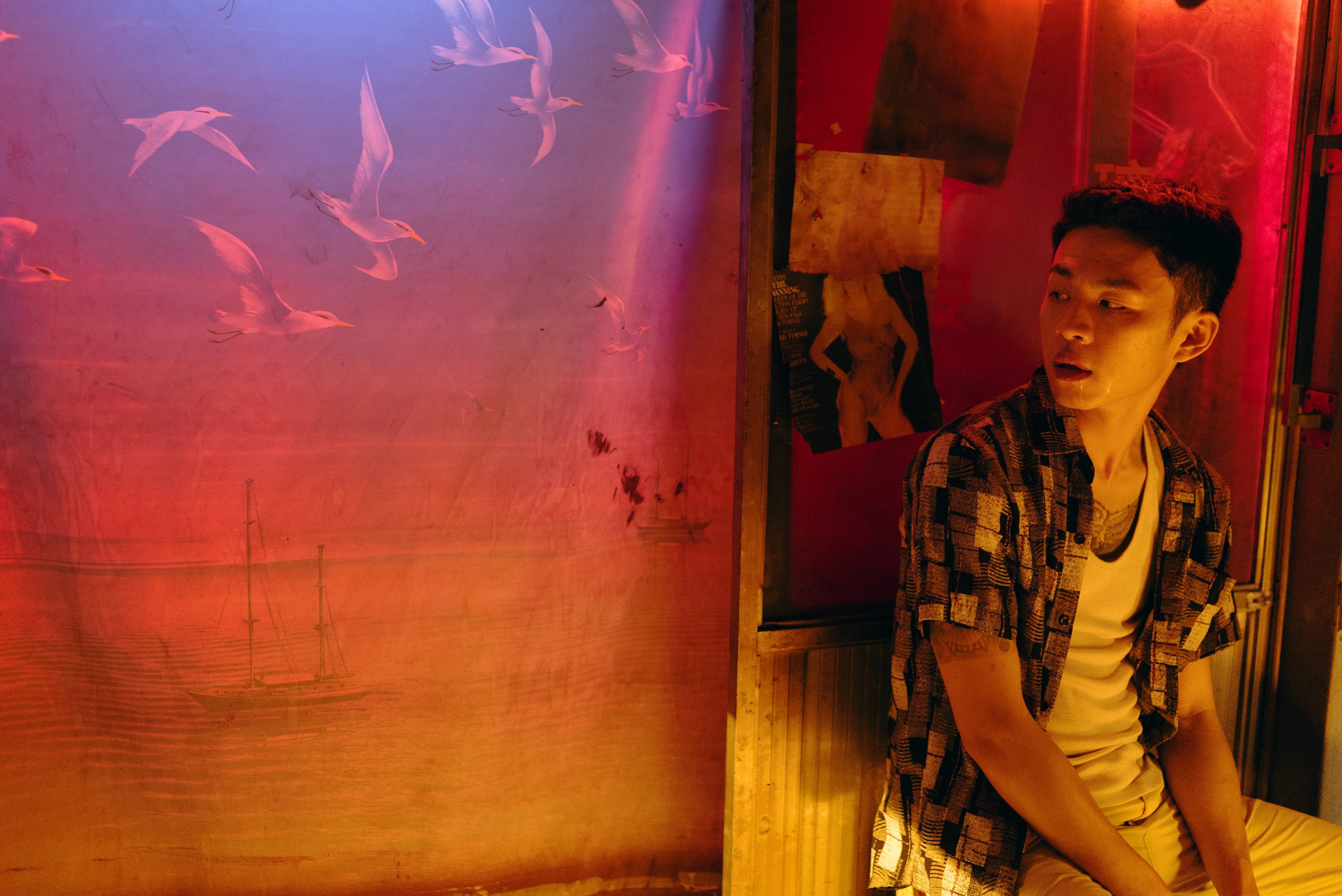
What follows this unusual interjection is the movie’s final shot: a 58-minute single take of Luo’s search moving from memory to reality. Like all single takes, there is a palpable tension the longer the shot goes on. When will it break, and what will break it hangs over the action like the sword of Damocles. The camera follows, leads, swirls, soars (literally), glides, and rides. It traverses no less than a half-dozen sets and observes at least two-dozen characters.
It boggles the mind to wonder how Gan technically achieved this shot. When Long Day’s Journey Into Night debuted at 2018’s Cannes Film Festival, the 58-minute shot was also presented in 3D—hence Luo’s glasses. For moviegoers in the Centennial State, Long Day’s Journey Into Night is rolling out into art-house theaters and will be presented in 2D. But the intent of the 58-minute single take remains: The first half of the movie was then, the second half is now.
This shot also clues the audience into the meaning of the title, which bears little similarity to Eugene O’Neill’s Pulitzer-winning play of the same name. The original Chinese title translates to Last Evening on Earth, which is fine but doesn’t quite capture the movie’s core. Like some of the best noir films, Long Day’s Journey Into Night captures the ominous fear of sunlit days slipping into endless nights, of the allure of memory and the looseness of logic. Few noirs make perfect sense. They don’t need to; feelings rarely require rationality. They’re just something you feel, deep down in your bones, and nothing can disprove them, not even the truth.
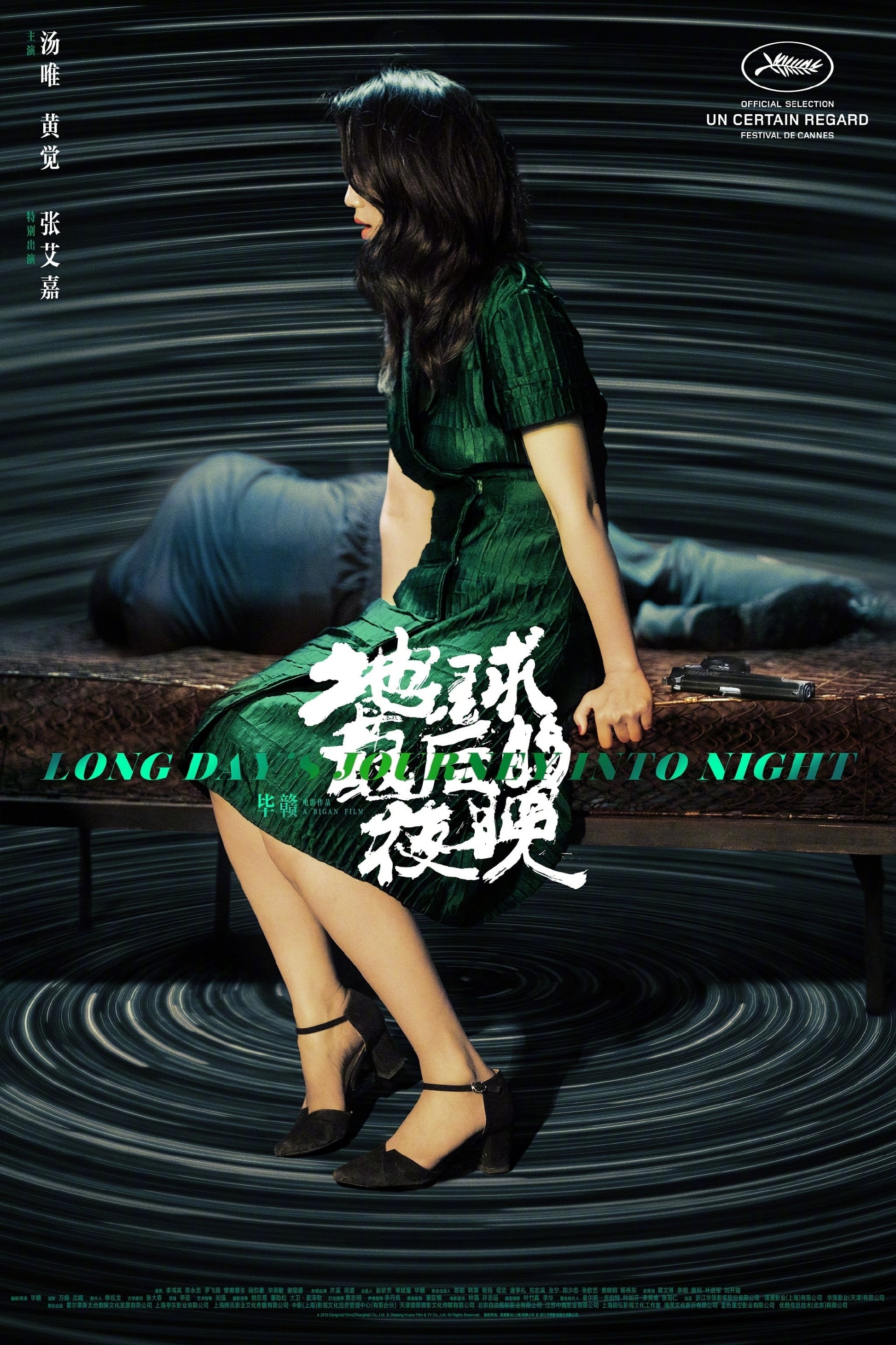
Long Day’s Journey into Night (2018)
Written and directed by Bi Gan
Produced by Zuolong Shan, Stanley Tong
Starring: Tang Wei, Jue Huang, Sylvia Chang, Hong-Chi Lee
Kino Lorber, Not rated, Running time 137 minutes, Premiered May 15, 2018 at the Cannes Film Festival

The above review first appeared in the pages of Boulder Weekly Vol. 26, No. 41, “‘How do we know we’re dreaming?’“
Discover more from Michael J. Cinema
Subscribe to get the latest posts sent to your email.
 Michael J. Cinema
You must be logged in to post a comment.