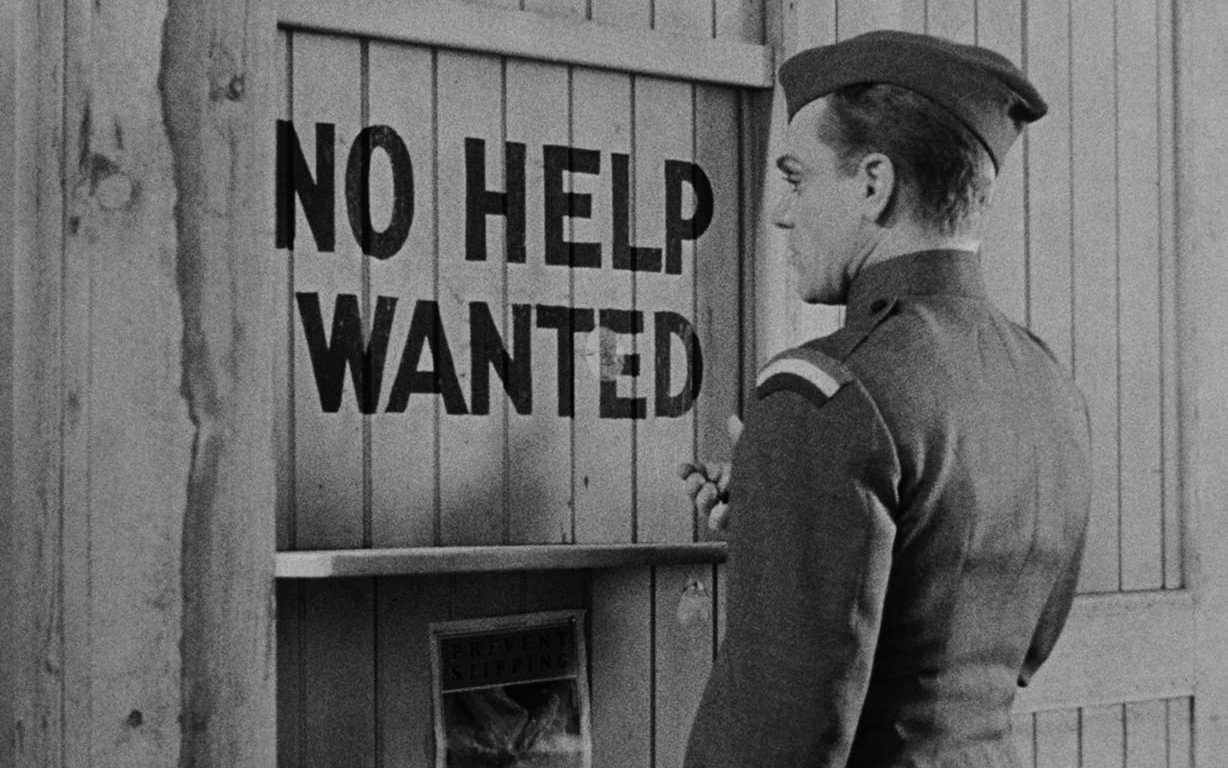
Eddie Bartlett is a victim of circumstance. He enlisted and fought in the War to End All Wars and figured his job, his life, and his room would be waiting for him when he returned. Eddie was wrong. Then, he carried a package for another guy and didn’t think twice about what was in it. Stupid. But Eddie is a hard worker and never lets obstacles like that get in his way. He’s going to be a big shot. Eddie should have had a backup plan. Especially once Eddie fell for the girl who didn’t fall for him back. That, among all of his other faults, is his greatest.
Based on Mark Hellinger’s story, “The World Moves On,” The Roaring Twenties is one of those films that sings Golden Era Hollywood. Directed by Raoul Walsh at Warner Bros.—the home of the gangster picture—and starring James Cagney as Eddie, Humphrey Bogart as his psychopathic friend/adversary George, baby-faced Priscilla Lane as unrequited lover Jane, and Gladys George as Panama Smith, the woman Eddie should really spend a little more time with, The Roaring Twenties is considered by many to be the pinnacle of the Hollywood gangster picture. And it probably is, in a way. Cagney is great at displaying an array of emotions, Bogart is having a blast playing the thin-lipped weasel he perfected, and Walsh is putting some of his best stuff on display. Ernest Haller’s cinematography is exquisite, with its inky black pools of shadow and stark white-hot lighting. Every frame is packed with performances and movement, and tracking shots display illegal production in such a captivating way it’s little wonder why Martin Scorsese counts it as an inspiration. The omniscient narration, voiced by John Deering, is set to a flurry of time-passing montages that place the viewer inside the typewriter poeticism Hellinger’s later projects would come to symbolize. Even many psychological aspects Walsh would hone in his future collaborations with Bogart (High Sierra) and Cagney (White Heat) are here. The Roaring Twenties has so much.
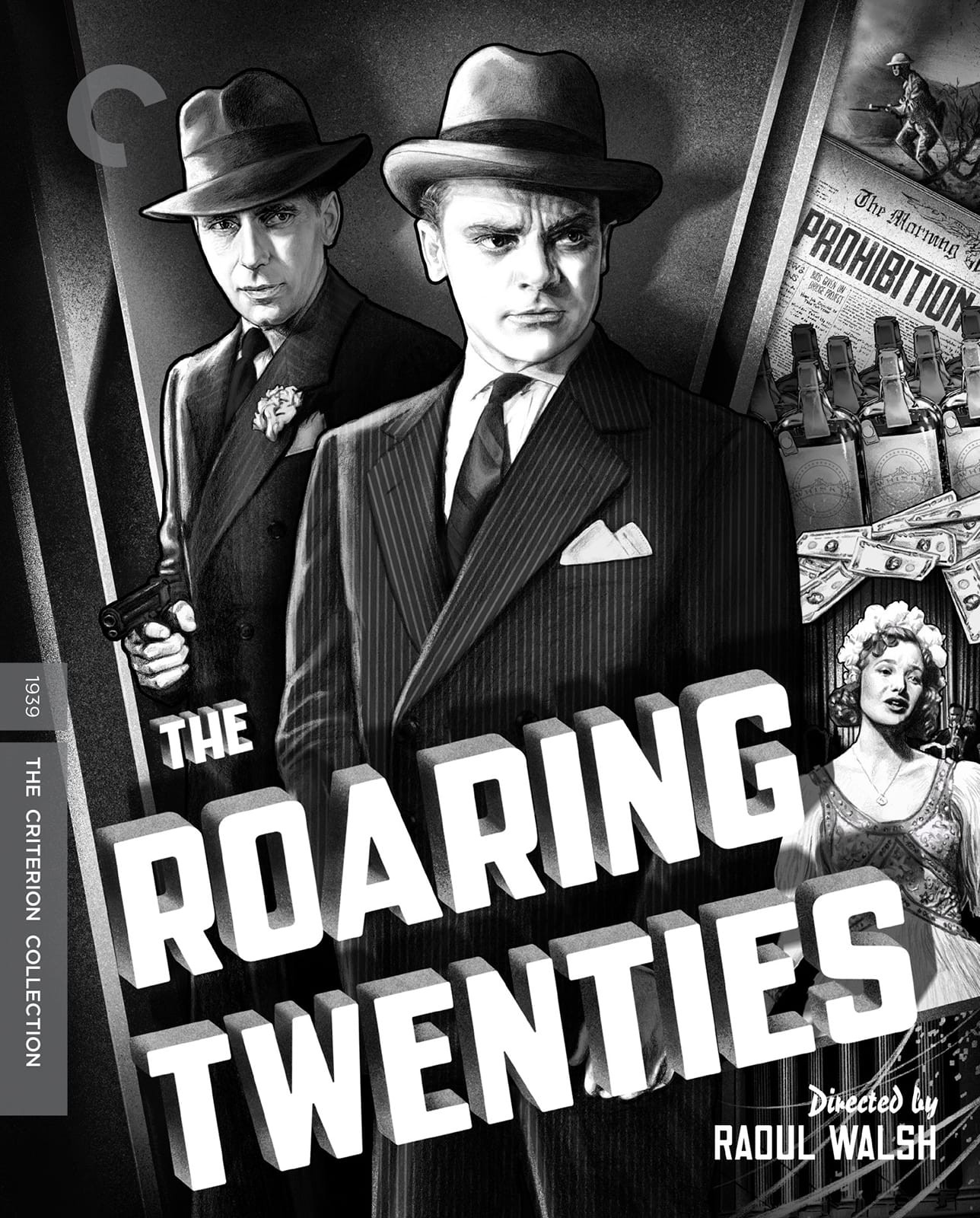
Why, then, does a movie this rich fail to entertain me? The Roaring Twenties—gorgeously restored and available now from The Criterion Collection in a 4K UHD/Blu-ray set—is a movie where star ratings fail. It’s a well-conceived, produced, and executed film, but it still feels like a procession of flat images to me.
I think my resistance is in the structure. The Roaring Twenties is essentially a flashback movie, which opens in 1940, a world on the brink of one world war, and rolls back to the end of the previous one. In between, Eddie and George and their war buddy/lawyer, Llyod (Jeffrey Lynn), learn to adapt to a world quickly shifting underfoot. The Roaring Twenties lionizes and regrets the passing of these opportunists’ oh-so-short time at the top.
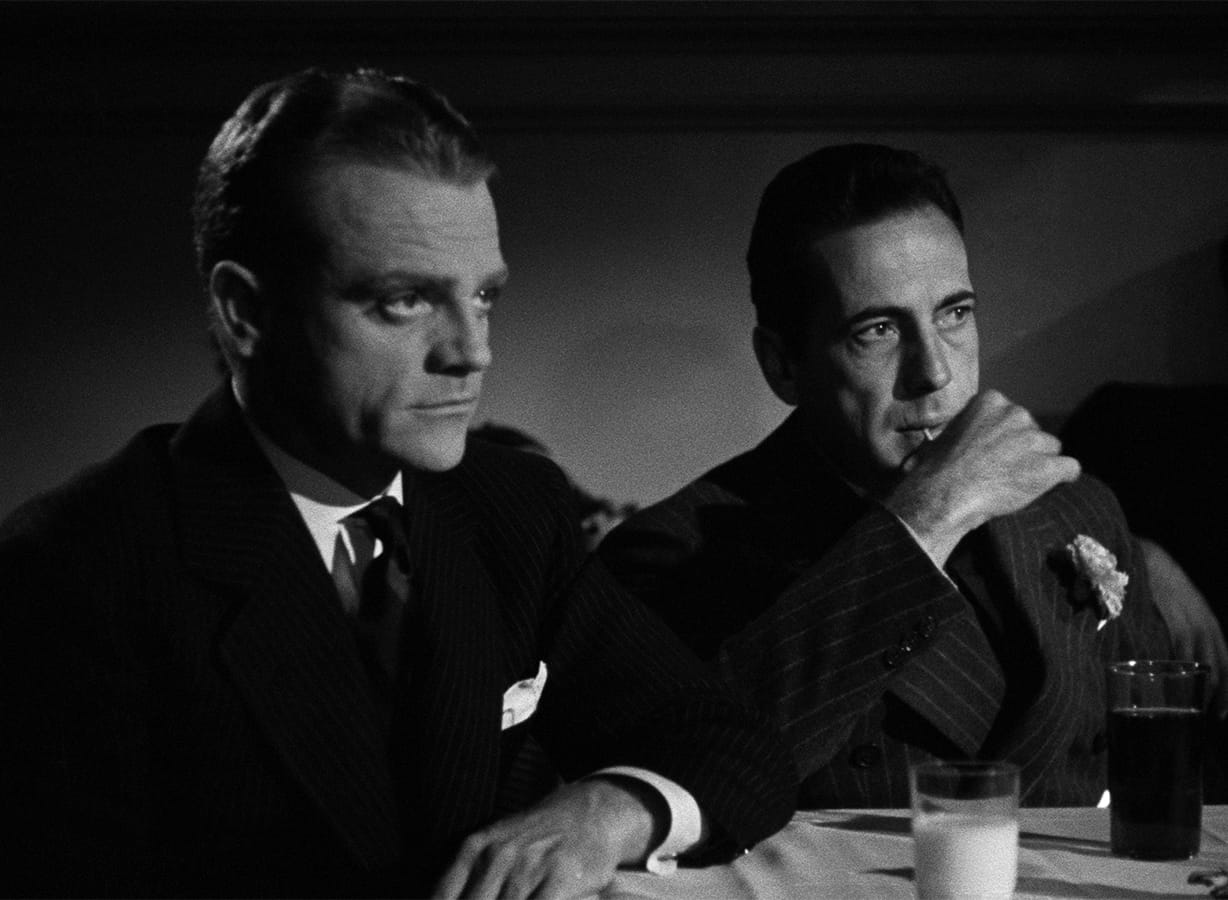
Hollywood loves some good mythmaking—just look at the whole western genre—but The Roaring Twenties feels too close to the period it laments passing. Interestingly enough, the gangster pictures Cagney and Bogart and Walsh all made earlier in the decade still pulse to this day. Maybe that’s because those movies are set in the present and have a ripped-from-the-headlines feel. True, those movies are also in the business of mythmaking, but they are codifying something as it is still happening. The Roaring Twenties, by comparison, looks back but not with any real input from hindsight—just melancholy. The world may be moving on, but Hollywood won’t.
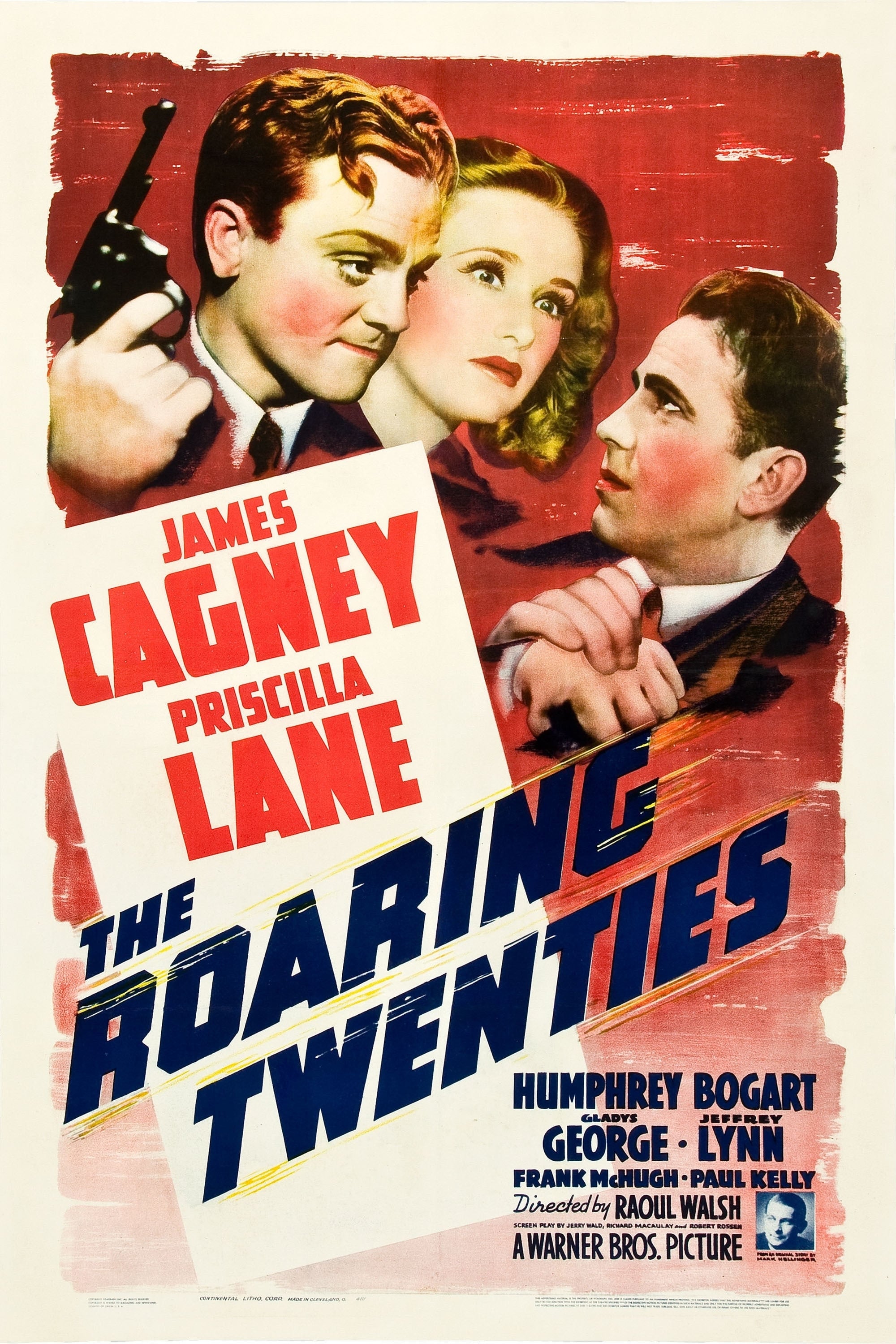
The Roaring Twenties (1939)
Directed by Raoul Walsh
Screenplay by Jerry Wald, Richard Macaulay, Robert Rossen
Based on the original story “The World Moves On” by Mark Hellinger
Produced by Hal B. Wallis
Starring: James Cagney, Priscilla Lane, Humphrey Bogart, Gladys George, Frank McHugh, Jeffrey Lynn, Paul Kelly
Warner Bros., Running time 106 minutes, Released Oct. 28, 1939
Discover more from Michael J. Cinema
Subscribe to get the latest posts sent to your email.
 Michael J. Cinema
You must be logged in to post a comment.