We’ve been here before. Sure, it seems worse, and some of the problems we’re facing are novel, but you don’t have to look hard to find analogs and parallels from the past. As Mark Twain put it: “History doesn’t repeat itself, but it often rhymes.”
But then why do we keep ignoring the story, forgetting the message? That’s more a question for philosophers and psychiatrists. But for this film critic, it seems like the answers have always been right under our noses, lying in wait in one of our most popular art forms.
It’s just that some people—OK, a lot of people—get hung up on what they want from their two hours or so in the dark. More often than not, that’s entertainment: pleasurable diversions to leave your troubles behind and fantasize about someone or something else. There’s nothing wrong with that. But it’s worth pointing out that overlooking the kernels of truth within entertainment has been the undoing of more than one nation throughout history.
Film historian Eddie Muller calls those movies “distress flares,” and it’s time to stop overlooking them. If we are going to make it, it’s going to take attention as well as action.
Xenophobia 101
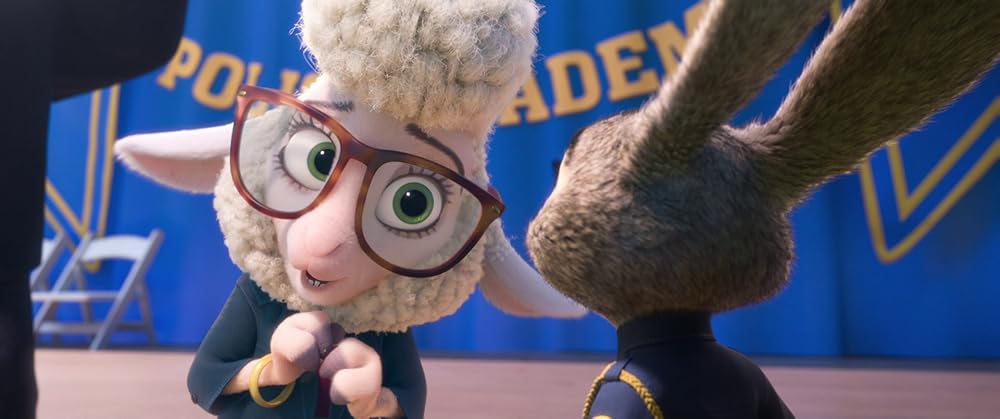
Zootopia (2016)
Released just nine months before Trump’s first electoral victory, Zootopia tells the tale of a utopian society populated by civilized animals living side-by-side in harmony. Then, a low-level government official sowing the seeds of fear disrupts the harmony by othering half of Zootopia’s population.
Back in 2016, the far right’s Islamophobia and fear that then-President Obama would enact Sharia Law fit Zootopia wolf-in-sheep’s-clothing villain like a glove. Seen in 2025, the rise of anti-LGBTQ sentiment shifts the target but holds the conviction that no matter what the reason, it’s too easy to drive us against ourselves.

Isle of Dogs (2018)
Isle of Dogs tackles fascism, xenophobia and the waste pollution crisis while also presaging an animal pandemic (here, canine flu) that prompts the Japanese government to deport all dogs to Trash Island, even if they have papers. It’s funny and sweet, but the strength of Wes Anderson’s stop-motion movie lies in how thin the allegory is. It’s one of those stories that feels timeless and timely simply because the topics it tackles will always be with us.
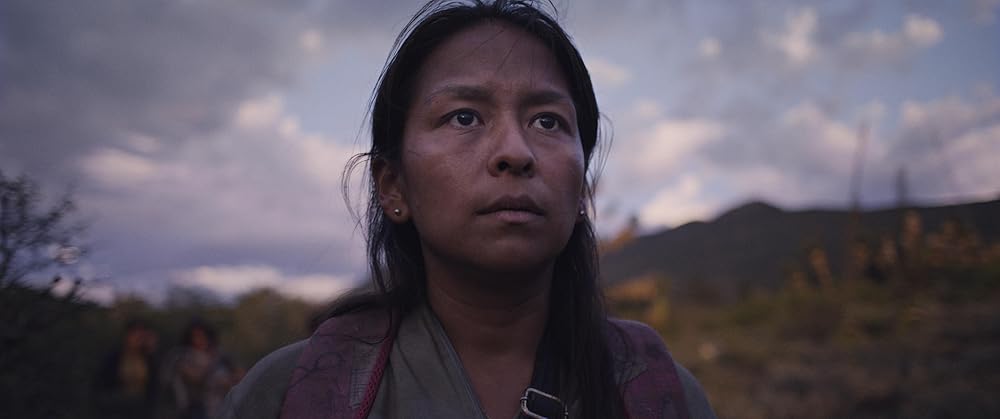
Separated (2024)
Directed by Errol Morris and based on the investigative reporting of Jacob Soboroff, Separated examines the cruelty conducted under the first Trump administration as migrant families were split up at the U.S.-Mexico border. The emails Soboroff and Morris uncover are the smoking gun that doesn’t just point to the carelessness of those conducting the separation and incarceration; they exemplify what Hannah Arendt meant when she coined the phrase “the banality of evil.”
It’s the end of the world as we know it

River (2021)
“We must ask ourselves,” River’s narrator Willem Dafoe intones over stunning images of nature devastated by human interference, “Are we being good ancestors?”
As Jennifer Peedom’s impressionistic and moving documentary suggests: No. Then again, maybe River will energize audiences to save what’s left the same way a late-night fast food commercial triggers our hunger despite how full we are.
Scored by the Australian Chamber Orchestra, River is an engaging and moving 74-minute documentary that will make you want to go out and pick up those discarded bottles floating in the gutter—and maybe even pay attention a little more when a proposed dam shows up on your ballot.

Food, Inc. 2 (2023)
A conventional approach in the call-to-action doc category, Food, Inc. 2 is a valiant attempt to cover the intersectionality of the food-slash-climate crisis in 94 minutes. It’ll rattle and enrage you and, hopefully, make you give a damn and do something about it. Picket signs are easy. So is eating less meat. The problems may feel overwhelming, but every bit helps.
Topple the patriarchy
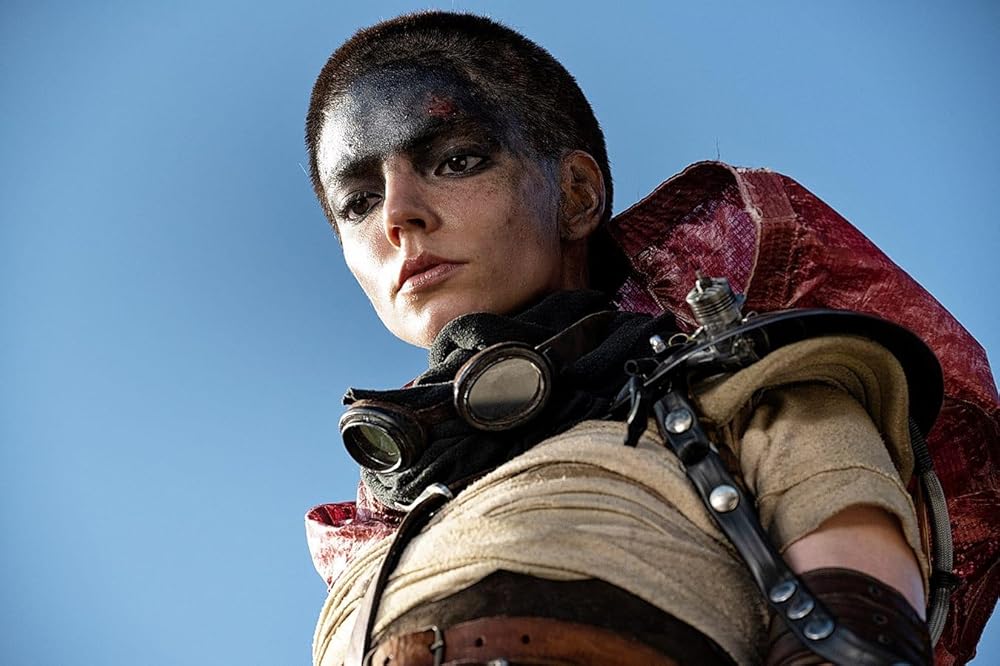
Furiosa: A Mad Max Saga (2024)
The Seed of the Sacred Fig (2024)
Two of the best movies to come out in 2024, Furiosa and The Seed of the Sacred Fig, deal with the oppression of women by men in power. In Furiosa, it’s a couple of warlords who capture and imprison women. In Sacred Fig, it’s a father who demands the fidelity of his daughters and wife, in body and mind. In both, the women have grown tired of playing by his rules and change the game through defiance.

It’s always darkest before the dawn
A Face in the Crowd (1957)
Cinema doesn’t always have answers. But it still needs to show us how the game is played and why we’re losing the war.
Take the ending of Elia Kazan’s A Face in the Crowd. In it, Lonesome Rhodes, a faux-populist media sensation turned political player, has publicly humiliated himself and torn down his own bloated image. He’s distraught, destroyed, a shell of a man. Don’t worry, the cynical reporter following him says, “You’ll be back.” After a cooling off period, the suits in charge will “try him again. But in a cheaper format.”
The writer doesn’t say this to reassure the broken man or to massage his battered ego. He says it because it’s a fact, one that the people in the audience must do everything they can to disrupt. We swore we’d never go back. Yet, here we are. The movies were right all along.

The above article first appeared in the pages of Boulder Weekly Vol. 32, No. 34, “Distress flares.”
Discover more from Michael J. Cinema
Subscribe to get the latest posts sent to your email.
 Michael J. Cinema
You must be logged in to post a comment.