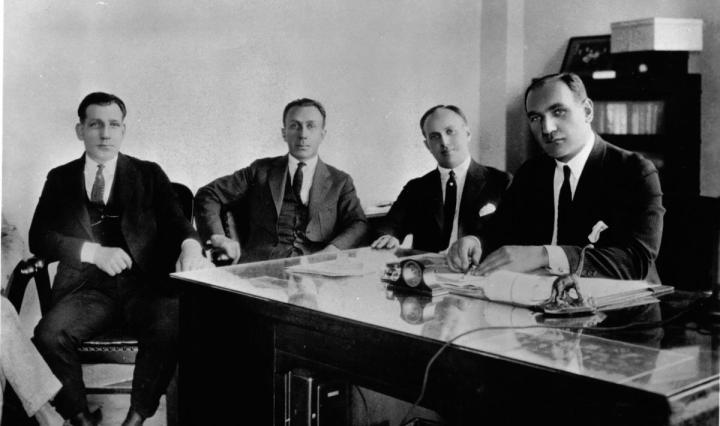
WARNER BROS. 100 YEARS OF STORYTELLING
A handsome book loaded with pictures and just enough history to whet budding film lovers’ taste. Continue reading WARNER BROS. 100 YEARS OF STORYTELLING
A handsome book loaded with pictures and just enough history to whet budding film lovers’ taste. Continue reading WARNER BROS. 100 YEARS OF STORYTELLING
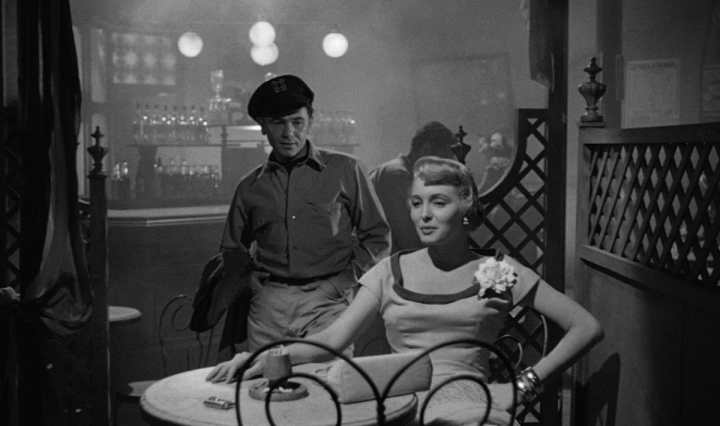
Muller combines a wealth of information about the films that have come to define his career along with the drinks he’s discovered, perfected, and invented. “Noir Bar” is one of those rare books that blends subjects so seamlessly that even non-drinkers or novice film lovers will find enjoyable. Continue reading EDDIE MULLER’S NOIR BAR
On this week’s edition of After Image, I speak with scholar and author, Luis Reyes about his new book, Viva Hollywood: The Legacy of Latin and Hispanic Artists in Hollywood—available now from TCM and Running Press. Listen to After Image, … Continue reading
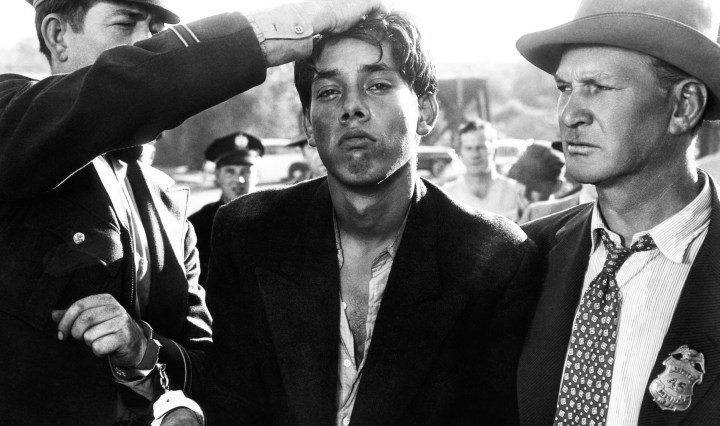
Hollywood cinema has had a complicated relationship with race and ethnicity since its very beginning. Continue reading Luis Reyes on VIVA HOLLYWOOD

“The difference between the studio system and how Zanuck practiced it, and what came after, is permanence,” Eyman says. “Zanuck ran 20th Century-Fox for 30 years. Then he went to independent production for six or seven years and then came back and as chairman of the board for another six or seven years. So you’re talking about almost a 40-year run, running 20th Century-Fox. So nobody, other than Rupert Murdoch, runs anything anymore for 40 years.” Continue reading Scott Eyman on 20TH CENTURY-FOX: DARRYL F. ZANUCK AND THE CREATION OF THE MODERN FILM STUDIO
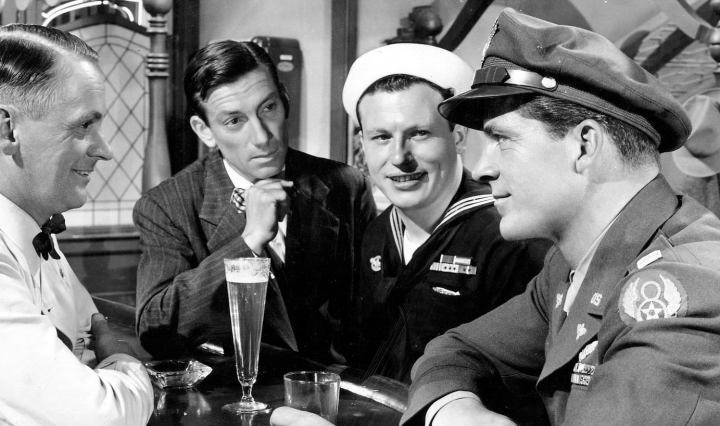
When America went to war in 1941, Hollywood followed suit. By the end of the 1930s, the dream machine had hit its stride with a roster of homegrown talent and a steady stream of artistic-minded European refugees. Then, when the war got going, the U.S. government discovered that nothing caught the public’s attention quite like the seventh art. And the studios learned nothing engendered goodwill toward their stable of actors than them either in uniform over there or working with the boys back here. The country had come together with a shared goal. “The United States was never as, well, united as it was during World War II.” Continue reading HOLLYWOOD VICTORY: THE MOVIES, STARS, AND STORIES OF WORLD WAR II

I was gonna be a dancer. I was a brunette. Started on my toes and wound up on my heels So says Ruth Roman in Tomorrow is Another Day, a forgotten lovers-on-the-lam noir from 1951. Or it would have been forgotten … Continue reading Eddie Muller on DARK CITY: THE LOST WORLD OF FILM NOIR
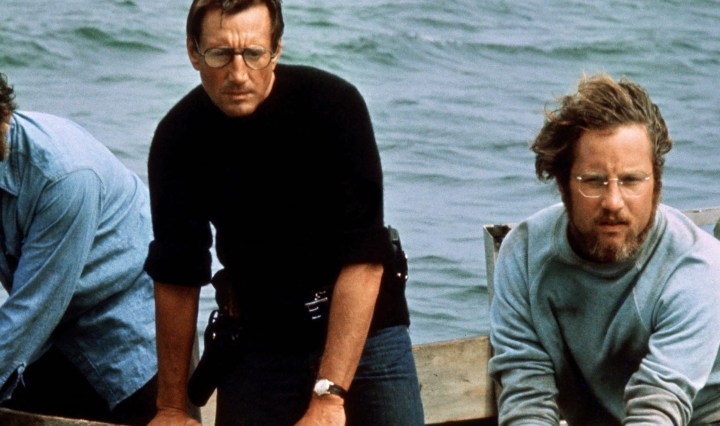
For all intents and purposes, the summer movie season began in 1975 with the release of Jaws. Set during Fourth of July weekend on the picturesque island of Amity (Martha’s Vineyard), Jaws is to summer what It’s a Wonderful Life is to Christmas. It’s inescapable, and both Summer Movies author John Malahy and Leonard Maltin (who wrote the foreword) use the blockbuster as a launching point. Jaws altered how studios made movies and viewed their audience, especially the large population of teenagers out of school and with an abundance of time on their hands. But as Malahy offers in Summer Movies: “Jaws isn’t just the prototypical summer blockbuster. It’s also a classic example of an underappreciated category of movies—those that depict the experiences, traditions, and delights of the summer season.” Continue reading SUMMER MOVIES: 30 SUN-DRENCHED CLASSICS
 Michael J. Cinema