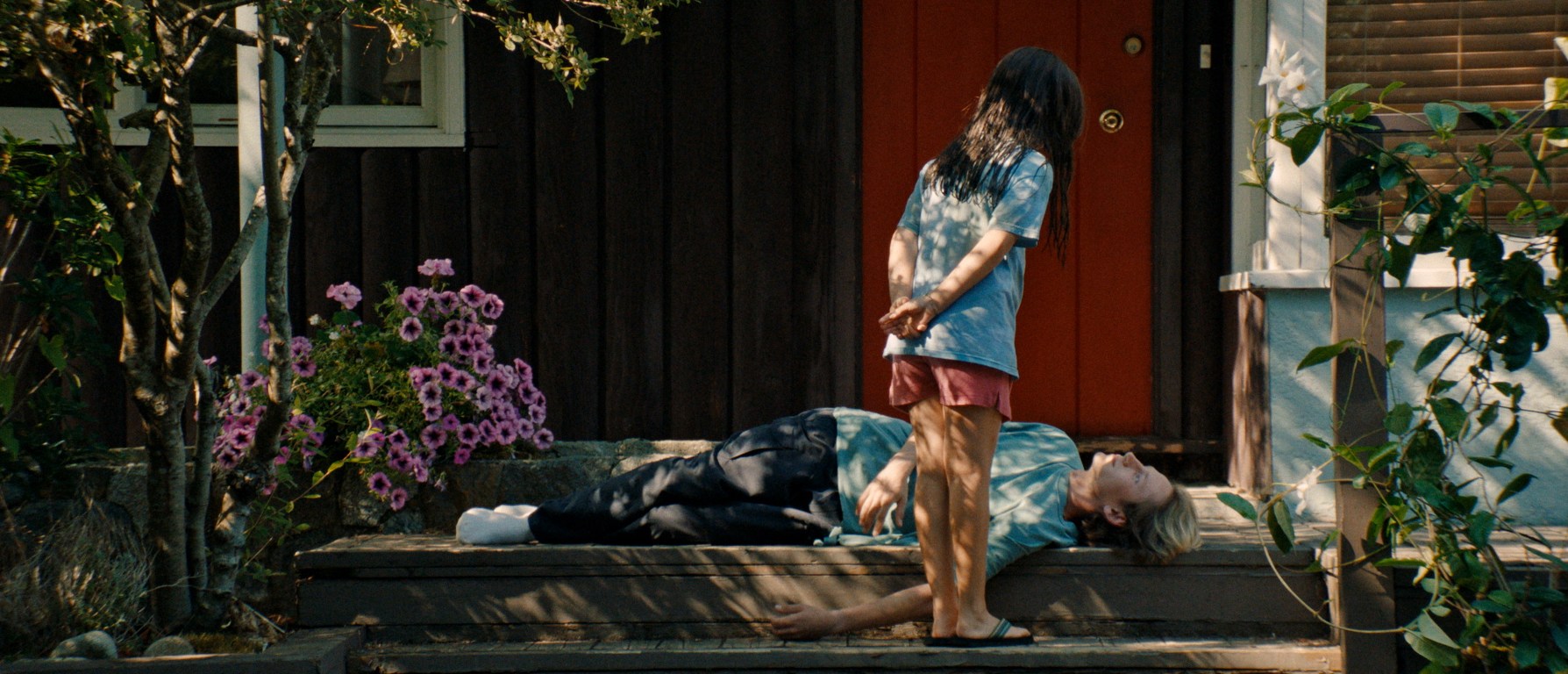
The genius of Blue Heron lies in its structure.
The story, set in a late-1990s Canadian suburb, concerns a family. There’s Mom (Iringó Réti), Dad (Ádám Tompa), and four children. The eldest, Jeremy (Edik Beddoes), is from Mom’s first marriage, while the other three are from the current union. Jeremy is troubled—by what, no one knows. But it’s plain as day, even to the youngest of the family, Sasha (Eylul Guven).
There’s a lot of love in this family. They spend practically every day together, either playing around the house or piled up on each other watching cartoons. Dad works from home, and Mom tries to keep the kids out of his hair and busy. The house is a mess—out of activity, not disregard. Still, there’s something bothering Jeremy, and the only solution isn’t an easy one: Voluntary placement.
Then Blue Heron slips, from the past, which writer-director Sophy Romvari paints vividly as the present, to modern-day Canada. A documentarian (Amy Zimmer) is interviewing mental health professionals about Jeremy. If they had been on the case 20 years ago, what would they have done? How would they interpret the signs, diagnose the problem?
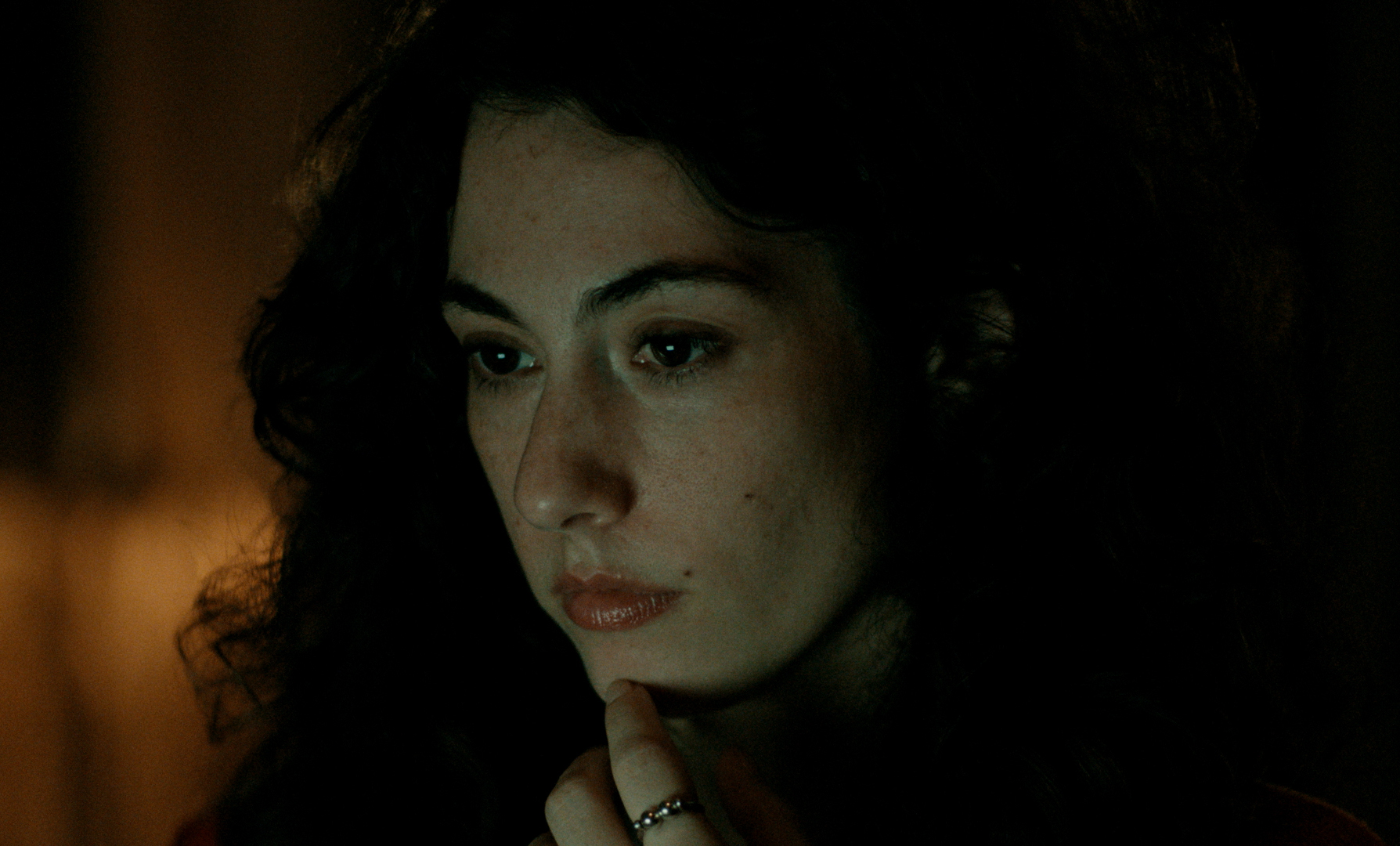
This slippage from the present-past to the present-day makes Blue Heron sing. Plus, it’s placed perfectly in the movie’s runtime. Blue Heron’s first hour, the part set in the ’90s, has such a tactile quality to it—the rain on the windows, the dishes in the sink, the chipped paint on the siding—that Romvari manages to pull you along while nothing much happens. There is always the threat that something, something terrible, might, but that’s not why we’re watching. We, like young Sasha, are observers. We’re looking for clues, obvious and glossed over, to explain why Jeremy is the way he is, and what might tip him over from odd kid to troubled youth to something much worse. How perfect that the movie breaks at the 60-minute mark to give us professional opinions that validate the conclusions we came to and present a few we overlooked.
For the last act, Romvari incorporates still photography and narration—in the form of filmed interviews and voice memos—so smoothly that Blue Heron starts to feel like a documentary. But once you start pulling on that thread, Romvari throws you for another loop by allowing the present to slip back into the past and the past to haunt the present.
Blue Heron bears the mark of memoir, but without the self-centered fixation and oh, woe is me mindset. Instead, Blue Heron—the title is explained thanks to a nature documentary’s narration—opens up a specific experience without the cloying conclusion or a smug shrug. It understands that we may not have all the answers, but that the ability to move on isn’t beholden to any of them.
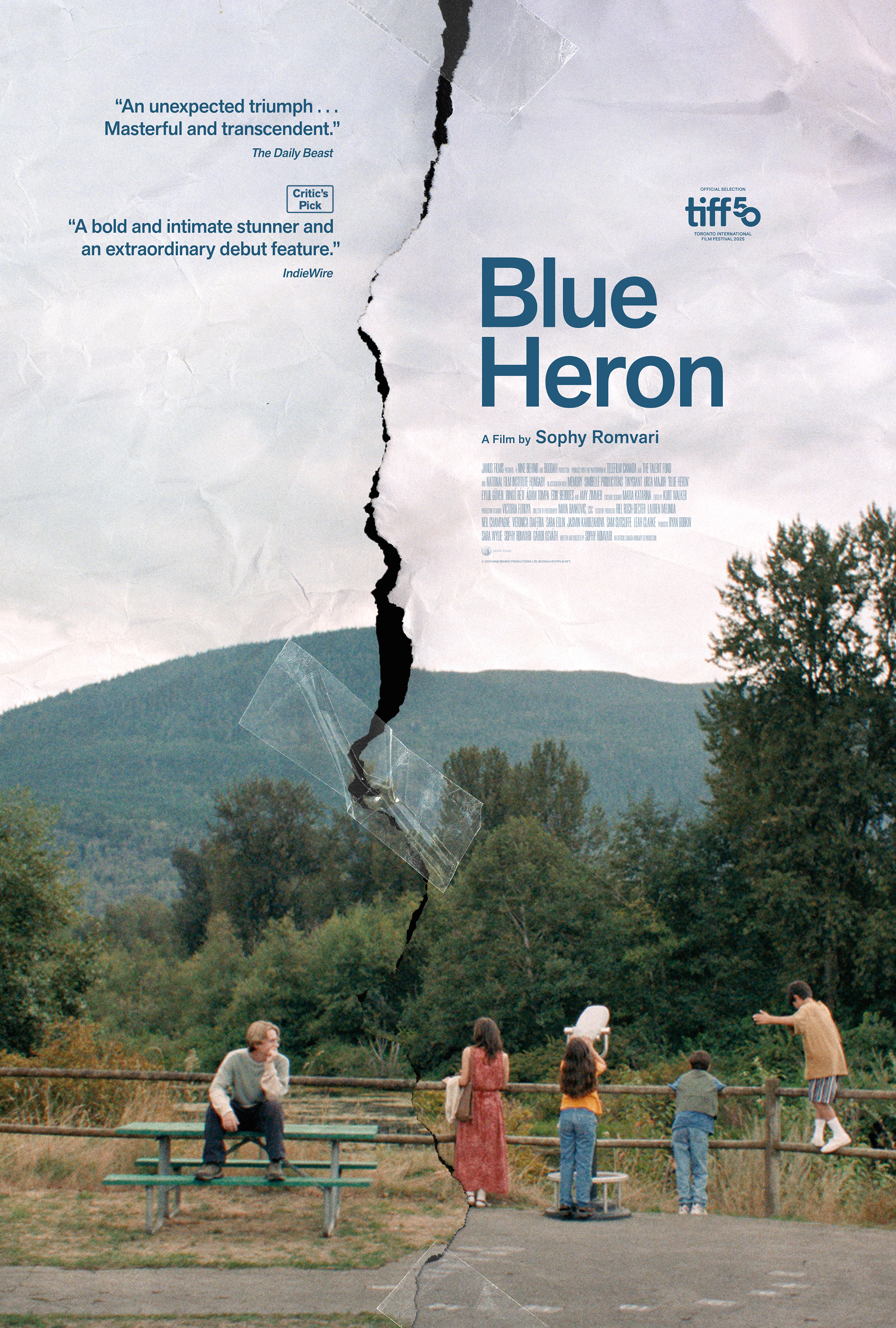
Blue Heron (2025)
Written and directed by Sophy Romvari
Produced by Ryan Bobkin, Gábor Osváth, Sophy Romvari, Sara Wylie
Starring: Eylul Guven, Amy Zimmer, Edik Beddoes, Iringó Réti, Ádám Tompa, Liam Serg, Preston Drabble
Janus Films, Not rated, Running time 91 minutes, Premiered Aug. 8, 2025, at the Locarno Film Festival

Discover more from Michael J. Cinema
Subscribe to get the latest posts sent to your email.


One thought on “BLUE HERON”
Comments are closed.